













Kemerovo, Russian Federation
Kemerovo, Russian Federation
Kemerovo, Russian Federation
Kemerovo, Russian Federation
Kemerovo, Russian Federation
National Taiwan University
Novosibirsk, China
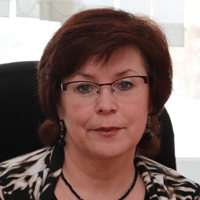
Professor Nikolai D. Golev, PhD, is a renowned Russian scholar in a wide range of linguistic issues. Full member of the International Academy of Higher Education, Professor Golev is an Honored Worker of Higher and Professional Education of the Russian Federation. For many years, he has led the scientific school of Socio-Cognitive Functioning of the Russian Language at Kemerovo State University. This review outlines his extensive contributions to the field, ranging from more traditional areas like onomasiology, derivational lexicology, language pedagogy, and lexicography to such pioneering disciplines as cognitive and internet linguistics, linguistic personology, linguomarketology, legal linguistics, virtual communication, machine translation, and AI-driven linguistics. Over his career, Professor Golev has supervised forty-one Candidates of Sciences and nine Doctors of Sciences. His students continue to address cutting-edge linguistic problems, spearheading novel research directions and developing innovative methodologies. Under his leadership, the research team has secured prestigious grants from the Federal Target Program, the Russian Foundation for Basic Research, the Russian Humanitarian Scientific Foundation, and the Russian Science Foundation. Their latest project leverages digital technologies to evaluate the complexity, clarity, and unambiguous nature of Russian statutory texts. As the pioneer of Siberian legal linguistics, Professor Golev also founded a practical school of forensic expertise that services regional legal needs. Furthermore, his editorial experience has brought two major academic journals to life: Legal Linguistics addresses contemporary issues at the intersection of language and law while Virtual Communication and Social Networks explores the cultural, cognitive, and social dimensions of digital interaction. By addressing the challenges of the modern linguistic paradigm, Professor Golev and his school continue to open new horizons and shape the future of the discipline.
Nikolai Danilovich Golev, academic school, socio-cognitive functioning of the Russian language, legal linguistics, linguomarketology, cognitive linguistics, linguistic personology, computational linguistics, translation studies, text derivation, conflict linguistics, AI-driven linguistics
1. Abdullaeva F. E., Golev N. D., Debrenn M., Zhanalina L. K., Kim L. G., Lebedeva N. B., Sologub O. P., Stevanovich S. V. Experience of a multilingual dictionary of bionyms in Kazakh, Chinese, Russian, Serbian, and French. Kemerovo: KemSU, 2025, 1204. (In Russ.) https://elibrary.ru/aifjhw
2. Avvakumova E. A. Morphematic foundations of intuitive orthography of the Russian language: An experiment with 6–7-year-olds. Cand. Philol. Sci. Diss. Kemerovo, 2002, 171. (In Russ.) https://elibrary.ru/rwhmgz
3. Basalaeva M. Yu., Vorobyeva M. E., Golev N. D., Dudareva Ya. A., Zamilova A. V., Kim L. G., Kishina E. V., Kuznetsova T. Yu., Melnik N. V. Dictionary of ordinary interpretations of Russian words: Vocabulary of nature. Kemerovo: KemSU, 2012, vol. 1, 536. (In Russ.) https://elibrary.ru/rlotiz
4. Brinev K. I. Theoretical linguistics and forensic linguistic examination. Barnaul: AltSPU, 2009, 252. (In Russ.) https://elibrary.ru/qcodpj
5. Brinev K. I. Theoretical linguistics and forensic linguistic expertise. Dr. Philol. Sci. Diss. Kemerovo, 2010, 363. (In Russ.) https://elibrary.ru/qfenct
6. Golev N. D. Antinomies of Russian morphology: Communicative vs. cognitive; syntagmatic vs. nominative. SibScript, 2024a, 26(1): 94–107. (In Russ.) https://doi.org/10.21603/sibscript-2024-26-1-94-107
7. Golev N. D. Antinomies of Russian orthography. Barnaul: ASU, 1997, 145. (In Russ.) https://elibrary.ru/rldcsx
8. Golev N. D. Variation of derivational contexts as a method of revealing and studying the potential of derivational functioning of a word. The phenomenon of variability in language: Abstracts of the conference, ed. Araeva L. A. Kemerovo: Kuzbassvuzizdat, 1994, 82–84. (In Russ.) https://elibrary.ru/teydkt
9. Golev N. D. Introduction to the theory and practice of morphemic and word-formation analysis. Barnaul: AltSU, 1980, 125. (In Russ.) https://elibrary.ru/qzflnt
10. Golev N. D. Introduction. Social networks as an actual object of interdisciplinary scientific study. Social networks: Comprehensive linguistic analysis, ed. Golev N. D. Kemerovo: KemSU, 2021, vol. 2, 5–9. (In Russ.) https://elibrary.ru/uteqtj
11. Golev N. D. Identification and description of tension signals of the content plan and the expression plan of the texts of a bill: An experimental project and problem statement. Current issues of science and technology: Problems, forecasts, and prospects: Proc. Nation. Conf., Kemerovo, 15 Oct 2019. Kemerovo: KemSU, 2019a, 8–14. (In Russ.) https://elibrary.ru/qkfxkf
12. Golev N. D. Dynamic aspect of lexical motivation. Tomsk: TSU, 1989, 252. (In Russ.) https://elibrary.ru/qzaxzz
13. Golev N. D. Study of Russian punctuation in the communicative aspect: Statement of the problem and program of experimental research. Language situation in Russia at the beginning of the 21st century: Proc. Intern. Sci. Conf., Kemerovo, 18–20 Oct 2002. Kemerovo: Kuzbassvuzizdat, 2002b, vol. 1, 146–160. (In Russ.) https://elibrary.ru/rdxtjn
14. Golev N. D. Source potential of the back machine translation. Vestnik Kyrgyz-Russian Slavic University, 2018, 24(1): 36–45. (In Russ.) https://elibrary.ru/yspbud
15. Golev N. D. Reading quality as a didactic task. Natural written Russian speech: Research and educational aspects. Pt. IV. Discourses and genres of written speech, ed. Lebedeva N. B. Kemerovo: KemSU, 2011a, 253–263. (In Russ.) https://elibrary.ru/vhwhrz
16. Golev N. D. Lexicographizing as a method of describing vocabulary: Revisiting the theoretical legacy of Olga Blinova. Russian Journal of Lexicography, 2021b, (21): 5–32. (In Russ.) https://doi.org/10.17223/22274200/21/1
17. Golev N. D. Linguistic metarepresentation of ordinary political consciousness. Cognitive Studies of Language, 2015a, (22): 256–258. (In Russ.) https://elibrary.ru/uyhpwb
18. Golev N. D. Linguistic personology, anthropotext, and types of linguistic personality: Linguopersonemes. University philology for education: Man in the world of communications: Proc. Intern. Sci.-Prac. Conf., Barnaul, 12–16 Apr 2005. Barnaul: AltSU, 2005, 81–86. (In Russ.) https://elibrary.ru/sewvtf
19. Golev N. D. Linguapersonological foundations of personality-oriented language teaching. In: Popova O. A., Denisova E. S., Olenev S. V. et al. Linguistic personology and personality-oriented language teaching. Kemerovo: KemSU, 2009a, 8–16. (In Russ.) https://elibrary.ru/zstezn
20. Golev N. D. Linguistic and theoretical foundations of language personality typology. In: Khomich E. P., Lebedeva N. B., Tatarintseva E. N. et al. Linguistic personology: Types of language personalities and person centered learning. Barnaul-Kemerovo: BSPU, 2006a, 7–28. (In Russ.) https://elibrary.ru/sncddp
21. Golev N. D. Macromodeling linguistic variability: Expanding the boundaries of linguistic variation studies (a comprehensive review of Russian linguists works). Scientific Dialogue, 2023a, 12(8): 86–125. (In Russ.) https://doi.org/10.24224/2227-1295-2023-12-8-86-125
22. Golev N. D. Multiplicity of interpretation of speech works as a factor of communicative conflict between their author and addressee. Zhitnikov Readings VII. Dialogue of languages and cultures in the humanistic paradigm: Proc. Intern. Sci. Conf., Chelyabinsk, 5–6 Oct 2004. Chelyabinsk: ChelSU, 2004, 114–116. (In Russ.) https://elibrary.ru/tkmxhx
23. Golev N. D. Morphology of the modern Russian language. Kemerovo: KemSU, 2006b, 208. (In Russ.) https://elibrary.ru/rlsqkr
24. Golev N. D. Morphology of the modern Russian language. Kemerovo: KemSU, 2023b, 272. (In Russ.) https://elibrary.ru/uygmnd
25. Golev N. D. Morphological essence of nouns of the so called common gender. Vinogradov Readings: Proc. Interuniv. Sci. Conf., Tobolsk, 20–23 Nov 2001. Tobolsk: TSPU named after D. I. Mendeleev, 2001, 107–108. (In Russ.) https://elibrary.ru/vphwrh
26. Golev N. D. Nooteka: Point-rating system + design, or revisiting the issue of transition from quantitative to qualitative measurements of knowledge, skills, and abilities. Vestnik Kemerovskogo gosudarstvennogo universiteta. Seriia: Gumanitarnye i obshchestvennye nauki, 2019b, 3(3): 199–213. (In Russ.) https://doi.org/10.21603/2542-1840-2019-3-3-199-213
27. Golev N. D. Nooteka as a form of didactic communication: Competence-activity approach and requirements of third-generation programs in higher philological education. Communication studies in the modern world: Efficiency and optimization of speech interaction in society: Proc. 3rd Intern. Sci. Conf., Barnaul, 24–29 Apr 2012. Barnaul: AltSU, 2012a, 283–286. (In Russ.) https://elibrary.ru/sxpupd
28. Golev N. D. Metalinguistics of ordinary linguistic consciousness of Russian speakers. Linguistic being of man and ethnos: Psycholinguistic and cognitive aspects, ed. Pischalnikova V. A. Barnaul: AltSU, 2000a, iss. 2, 36–44. (In Russ.) https://elibrary.ru/tanqab
29. Golev N. D. Onomasiology of dialectal names of one thematic group (based on folk names of fish). Research issues in the vocabulary and phraseology of Siberian dialects. Krasnoyarsk: KSPU named after V. P. Astafiev, 1978, 59–69. (In Russ.) https://elibrary.ru/srrcir
30. Golev N. D. On the principles of nomination and the method of their study. Proceedings of the Interuniversity Scientific Conference dedicated to the 50th anniversary of the USSR. Issue 5: Linguistics: Proc. Conf., Tomsk, 15–16 May 1972. Tomsk: TSU, 1972, 94–99. (In Russ.) https://elibrary.ru/rvynln
31. Golev N. D. Interpretive function of Russian orthography. Linguistic worldview: Linguistic and cultural aspects: Proc. Intern. Sci.-Prac. Conf., Biysk, 3–5 Dec 1998. Biysk: BSPU, 1998, vol. 1, 119–123. (In Russ.) https://elibrary.ru/vphwil
32. Golev N. D. Describing denotative word meanings. Current issues in lexicology and word formation, ed. Lukyanova N. A. Novosibirsk: NSU, 1973, 26–34. (In Russ.) https://elibrary.ru/rmmdfz
33. Golev N. D. Formation of a class of nominative units. Proceedings of the 24th scientific student conference dedicated to the centenary of V. I. Lenin: Proc. Conf., Tomsk, 21–23 Apr 1971. Tomsk: TSU, 1971, 12–14. (In Russ.) https://elibrary.ru/rmarsq
34. Golev N. D. Political linguistics of everyday communication: Problems and prospects. Modern political linguistics: Proc. Intern. Sci. Conf., Ekaterinburg, 29 Sep – 6 Oct 2011. Ekaterinburg: USPU, 2011b, 66–69. (In Russ.) https://elibrary.ru/rxjwdz
35. Golev N. D. Ordinary metalinguistic consciousness and the school course of the Russian language. In: Shiryaeva E. N., Matveeva T. V., Krysin L. P. et al. Cultural and speech situation in modern Russia. Ekaterinburg: UrFU, 2000b, 338–348. (In Russ.) https://elibrary.ru/rrpiyx
36. Golev N. D. Ordinary metalinguistic consciousness as an ontological and epistemological phenomenon: In search of linguagnoseologems. Ordinary metalinguistic consciousness: Ontological and epistemological aspects, ed. Golev N. D. Kemerovo-Barnaul: AltSU, 2009, pt. 1, 7–41. (In Russ.) https://elibrary.ru/rdnyox
37. Golev N. D. Ordinary philological interpretation of the text of the law as a component of legal communication: A linguist's view. Issues of Cognitive Linguistics, 2014a, (2): 5–15. (In Russ.) https://elibrary.ru/ryxvtp
38. Golev N. D. Ordinary political discourse: Metalingual and metalinguistic aspects. Political Linguistics, 2013a, (4): 30–37. (In Russ.) https://elibrary.ru/rsotdd
39. Golev N. D. Peculiarities of modern metalinguistic consciousness reflected in discussions about language construction issues. Tomsk State University Journal of Philology, 2008, (3): 5–17. (In Russ.) https://elibrary.ru/kgcsux
40. Golev N. D. Written communication of modern time: Main vectors of development. Tomsk State University Journal of Philology, 2012b, (2): 5–17. (In Russ.) https://elibrary.ru/oxvkyh
41. Golev N. D. Interference of written speech as a problem of communicative orthography of the Russian language. Methodology of modern linguistics: Problems, searches, and prospects, ed. Bosova L. M. Barnaul: AltSU, 2000c, 58–65. (In Russ.) https://elibrary.ru/udbncz
42. Golev N. D. Russian colloquial written speech and the reflection of its modern state in the ordinary metalanguage consciousness of virtual communication participants. Tomsk State University Journal of Philology, 2013b, (5): 12–30. (In Russ.) https://elibrary.ru/rejvcv
43. Golev N. D. The system of nomination of concrete objects in the Russian language. Cand. Philol. Sci. Diss. Tomsk, 1974, 188. (In Russ.) https://elibrary.ru/rtwksx
44. Golev N. D. Word formation and morphemics of the modern Russian language. Kemerovo: KemSU, 2021c, 240. (In Russ.) https://elibrary.ru/hkndcx
45. Golev N. D. Word-building type as a functional unit of the lexical system of the Russian language in the aspect of quantitative derivatology. Vestnik Kemerovskogo gosudarstvennogo universiteta, 2022a, 24(2): 153–164. (In Russ.) https://doi.org/10.21603/2078-8975-2022-24-2-153-164
46. Golev N. D. Texts and tests: Comprehensive text analysis and testing at school and university. Barnaul: AltSU, 2000d, 191. (In Russ.) https://elibrary.ru/rmmcqz
47. Golev N. D. Translative linguistics: An aspectualized review of initial provisions. Pt. 1. Gnoseology of translation. Vestnik Kemerovskogo gosudarstvennogo universiteta, 2022b, 24(6): 717–734. (In Russ.) https://doi.org/10.21603/2078-8975-2022-24-6-717-734
48. Golev N. D. Transmutation methodology + neural networks: A philological and didactic project. Virtual Communication and Social Networks, 2025, 4(3): 221–241. (In Russ.) https://doi.org/10.21603/2782-4799-2025-4-3-221-241
49. Golev N. D. Functional: Expanding concept (on basis on transitional lexemes, word forms, and their classifications in Russian theoretical morphology). Scientific Dialogue, 2026, 15(2): 28–48. (In Russ.) https://doi.org/10.24224/2227-1295-2026-15-2-28-48
50. Golev N. D. E-mail correspondence as strategy and tactics of teaching foreign languages (linguodidactic project). Language and Culture, 2015b, (2): 105–116. (In Russ.) https://doi.org/10.17223/19996195/30/12
51. Golev N. D. Legal aspect of language in linguistic interpretation. Legal Linguistics, 1999, (1): 12–59. (In Russ.) https://elibrary.ru/wdnxip
52. Golev N. D. Legal linguistics. Kemerovo: KemSU, 2021d, 214. (In Russ.) https://elibrary.ru/wyenjn
53. Golev N. D. Legal linguistic dictionary of invective vocabulary of the Russian language: Problem statement. Current issues of Russian studies: Proc. Intern. Sci. Conf., Tomsk, 21–23 Oct 2003. Tomsk: TSU, 2003, iss. 2, pt. 1, 92–98. (In Russ.) https://elibrary.ru/rdwggf
54. Golev N. D. Language game as a linguodidactic principle. Vestnik Kemerovskogo gosudarstvennogo universiteta, 2012c, (5): 27–33. (In Russ.) https://elibrary.ru/pbjblh
55. Golev N. D., Dudareva Ya. A., Irkova A. V., Kim L. G., Novgorodova E. V., Falomkina I. P. Dictionary of event concepts of Kuzbass (2012–2022). Kemerovo: LLC "Firma POLIGRAF", 2022, 157. (In Russ.) https://elibrary.ru/qclvgu
56. Golev N. D., Kim L. G. Amphibolic (variational-interpretative) functioning of the text. Philological Sciences, 2007a, (4): 80–88. (In Russ.) https://elibrary.ru/iatsln
57. Golev N. D., Kim L. G. Variational and interpretative functioning of the text: Expanding the boundaries of linguistic variantology. Bulletin of Chelyabinsk State University, 2009, (27): 12–20. (In Russ.) https://elibrary.ru/kwctdx
58. Golev N. D., Kim L. G. Dictum modus pluralism of virtual dialogic discourse (based on Internet comments). Medialinguistics, 2023, 10(1): 4–26. (In Russ.) https://doi.org/10.21638/spbu22.2023.101
59. Golev N. D., Kim L. G. General and specific problems of interpretation of legal texts. Problems of choice and interpretation of linguistic sign by speaker and listener, ed. Tripolskaya T. A. Novosibirsk: NSPU, 2007b, 43–51. (In Russ.) https://elibrary.ru/uimunb
60. Golev N. D., Kim L. G. Ordinary political Internet comments in the mirror of interpretation conflict. In: Antipov A. G., Bazylev V. N., Vengranovich M. A. et al. Social-cognitive functioning of language. Kemerovo: KemSU, 2017, 19–34. (In Russ.) https://elibrary.ru/xusiot
61. Golev N. D., Kim L. G. Ordinary political Internet comments as a manifestation of interpretation variability: Oppositions explicit – implicit, expressed – expected. Implicit and explicit strategies in Eastern European political discourse: Proc. Intern. Conf., Ekaterinburg – Zurich, 19–22 Oct 2013. Ekaterinburg: USPU, 2014, 47–71. (In Russ.) https://elibrary.ru/ubgdgd
62. Golev N. D., Kim L. G., Alekseeva O. S. et al. Social networks. Vol. V. Pedagogical aspect of virtual communication. Kemerovo: KemSU, 2024, 356. (In Russ.) https://elibrary.ru/nbmgpj
63. Golev N. D., Lebedeva N. B. Is the comparison in the slogan "TELE2 – always cheaper!" incorrect? Legal Linguistics, 2010, (10): 370–381. (In Russ.) https://elibrary.ru/wclsbf
64. Golev N. D., Melnik N. V. Textual representation of a student's linguistic personality: A linguapersonological aspect. Russian Language at School, 2010, (9): 29–34. (In Russ.) https://elibrary.ru/mvkkub
65. Golev N. D., Melnikova V. S. Reverse engineering translation at the service of legal linguistics. Innovative, information, and communication technologies: Proc. XVII Intern. Sci.-Prac. Conf., Sochi, 1–10 Oct 2020. Moscow: Association of Graduates and Employees of AFEA named after prof. Zhukovsky, 2020, 8–11. (In Russ.) https://elibrary.ru/vpemlg
66. Golev N. D., Melnikova V. S. Translatability and understandability as intrinsic properties of linguisric units (ontological aspects of translation linguistics). Philology. Theory & Practice, 2025, 18(4): 1585–1596. (In Russ.) https://doi.org/10.30853/phil20250225
67. Golev N. D., Melnikova V. S., Napreenko G. V. The Russian legal text within the "new variantology" paradigm. Siberian Philological Journal, 2025, (4): 201–215. (In Russ.) https://elibrary.ru/nhflou
68. Golev N. D., Napreenko G. V. Sound speech and recognized text in the variantological paradigm (based on a scientific report in oral and written formats). Journal of Siberian Federal University. Humanities, 2025, 18(1): 96–105. (In Russ.) https://elibrary.ru/bspbgk
69. Golev N. D., Napreenko G. V. Translatability and variability of a text from the perspective of the antinomy of "identity and difference". Siberian Philological Journal, 2023, (4): 299–311. (In Russ.) https://elibrary.ru/kaphpv
70. Golev N. D., Obelunas N. V. Linguistic conflictology. Effective speech communication: Basic competencies, ed. Skovorodnikov A. P. 2nd ed. Krasnoyarsk: SibFU, 2014, 279–280. (In Russ.) https://elibrary.ru/uqafpn
71. Golev N. D., Saykova N. V. Narration, parody, translation... To the foundations of derivational interpretation of secondary texts. Linguistic being of man and ethnos: Psycholinguistic and cognitive aspects, ed. Pishchalnikova V. A. Barnaul: AAEL, 2001, iss. 3, 20–27. (In Russ.) https://elibrary.ru/rlsmjr
72. Golev N. D., Sushkina M. A. Centripetal trend in comments to news in social networks. Virtual Communication and Social Networks, 2022, 1(4): 185–190. (In Russ.) https://doi.org/10.21603/2782-4799-2022-1-4-185-190
73. Golev N. D., Shkuropatskaya M. G. Specification and derivational word in the system of concepts of derivational lexicology. Vestnik Barnaulskogo gosudarstvennogo pedagogicheskogo universiteta, 2002, (2-2): 13–17. (In Russ.) https://elibrary.ru/pyvpzt
74. Golev N. D., Shpilnaya N. N. Ordinary media communication as a socio speech sphere: The problem statement and the boundaries of manifestation. Medialinguistics, 2021, 8(1): 23–34. (In Russ.) https://doi.org/10.21638/spbu22.2021.102
75. Golev N. D., Shpilnaya N. N. Mediated virtual dialogue in social networks vs. immediate live dialogue: Functions and structure. Virtual Communication and Social Networks, 2024, 3(4): 361–373. (In Russ.) https://doi.org/10.21603/2782-4799-2024-3-4-361-373
76. Golev N. D., Yakovleva O. E. Proper name as a commodity. Towards the foundations of the linguamarketing concept of language. Concept and culture: Proc. III Intern. Sci. Conf., Kemerovo, 27–28 Mar 2008. Kemerovo: Kuzbassvuzizdat, 2008, 760–769. (In Russ.) https://elibrary.ru/ajccme
77. Davaa U. Comparative study of ordinary semantics of Mongolian and Russian words: Words denoting domestic animals. Cand. Philol. Sci. Diss. Kemerovo, 2018, 254. (In Russ.) https://elibrary.ru/efdbcr
78. Dmitrieva L. D. Ontological and mental existence of the toponymic system (based on the Russian toponymy of Altai). Dr. Philol. Sci. Diss. Barnaul, 2002, 367. (In Russ.) https://elibrary.ru/nmqygx
79. Dudareva Ya. A. Linguistic examination of trademarks. Kemerovo: KemSU, 2014, 204. (In Russ.) https://elibrary.ru/cmkiaf
80. Dudareva Ya. A. Textual synonymy and copyonymy from the perspective of identity – similarity – difference. SibScript, 2025, 27(1): 73–84. (In Russ.) https://doi.org/10.21603/sibscript-2025-27-1-73-84
81. Dudareva Ya. A., Zamilova A. V., Satuchina T. Yu. Naming dictionary of the Russian Language (bionimous words as brand names). Kemerovo: KemSU, 2016, 304. (In Russ.) https://elibrary.ru/xgzyrj
82. Dudareva Ya. A., Shpilnaya N. N., Moskvitina T. V. The associative dictionary of media events of the early XXI century: A new lexicographic concept. Vestnik Kemerovskogo gosudarstvennogo universiteta, 2020, 22(4): 1069–1078. (In Russ.) https://doi.org/10.21603/2078-8975-2020-22-4-1069-1078
83. Natural written Russian speech: Research and educational aspects. Vol. 1: Problems of written speech and development of linguistic sense, ed. Golev N. D. Barnaul: AltSU, 2002, 348. (In Russ.) https://elibrary.ru/rogveh
84. Natural written Russian speech: Research and educational aspects. Pt. 2: Theory and practice of modern written speech, ed. Golev N. D. Barnaul: AltSU, 2003a, 280. (In Russ.) https://elibrary.ru/ojwdie
85. Natural written Russian speech: Research and educational aspects. Pt. 3: Written speech in psycholinguistic, linguadidactic, and orthographic aspects, ed. Golev N. D. Barnaul: AltSU, 2003b, 278. (In Russ.) https://elibrary.ru/sdevlr
86. Natural written Russian speech: Research and educational aspects. Pt. 4: Discourses and genres of written speech, ed. Lebedeva N. B. Kemerovo: KemSU, 2011, 649. (In Russ.) https://elibrary.ru/qxklrh
87. Natural written Russian speech: Research and educational aspects. Pt. 5: New developments in the theory of written speech and innovative linguadidactics, eds. Lebedeva N. B., Rabenko T. G. Kemerovo: KemSU, 2016, 302. (In Russ.)
88. Zamilova A. V. Linguistic and socionic modeling of the Russian language personality (based on the material of the Internet blog). Cand. Philol. Sci. Diss. Kemerovo, 2013, 203. (In Russ.) https://elibrary.ru/sddvib
89. Kara-Murza E. S. Linguo legal conflict as an object of research in linguistic conflictology. Legal Linguistics, 2010, (10): 114–123. (In Russ.) https://elibrary.ru/wclron
90. Kim L. G. Variational and interpretative functioning of the text. Tomsk: TSPU, 2009a, 311. (In Russ.) https://elibrary.ru/qvajoj
91. Kim L. G. Variability-operation interpretive text. 2nd ed. Moscow: Lenand, 2013, 280. (In Russ.) https://elibrary.ru/tlfmtd
92. Kim L. G. Variable-interpretative functioning of the text: A theoretical and experimental study. Dr. Philol. Sci. Diss. Kemerovo, 2010, 405. (In Russ.) https://elibrary.ru/sdebqr
93. Kim L. G. Interpretation process model and factors determining the variability of the interpretation result. Tomsk State University Journal, 2009b, (318): 29–36. (In Russ.) https://elibrary.ru/lhqmdf
94. Kim L. G. Ordinary political Internet comments: Conflict between interpretations of the news text. Innovative, information, and communication technologies: Proc. XVII Intern. Sci.-Prac. Conf., Sochi, 1–10 Oct 2020. Moscow: Association of graduates and employees of AFEA named after prof. Zhukovsky, 2020, 160–164. (In Russ.) https://elibrary.ru/fsjlxn
95. Kim L. G., Golev N. D. On the relationship of an addressee, author and text in the paradigm of linguistic interpretationism. Siberian Philological Journal, 2008, (1): 144–153. (In Russ.) https://elibrary.ru/jvhuyx
96. Kiseleva O. A. Russian orthography in the communicative aspect: A case study. Cand. Philol. Sci. Diss. Barnaul, 2002, 138. (In Russ.) https://elibrary.ru/uiafdx
97. Kishina E. V. Internet comments on political texts as an object of description of ordinary linguistic politology. Człowiek Świadomość Komunikacja Internet, ed. Szypielewicz L. Warsaw, 2012, 692–702. (In Russ.)
98. Knutov A. V., Chaplinsky A. V., Alimpeev D. R. The language of regulatory legal acts: Is it time to sound the alarm? Perm University Herald. Juridical Sciences, 2022, (57): 399–426. (In Russ.) https://elibrary.ru/nqffoa
99. Kropachev M. N., Kuznetsov S. A. The state language of the Russian Federation is understandable Russian. The World of the Russian Word, 2020, (2): 7–13. (In Russ.) https://elibrary.ru/jotdvy
100. Lebedeva N. B., Zyryanova E. G., Maksimova N. Yu., Tyukaeva N. I. Genres of natural written speech. Moscow: KRASAND, 2021, 256. (In Russ.) https://elibrary.ru/zxzjmb
101. Linguistic monitoring of social tension in Kuzbass, super. Golev N. D. Grant of the Russian Foundation for Basic Research No. 20-412-420004, 2020–2022. (In Russ.) https://elibrary.ru/konwne
102. Linguocognitive analysis of conflicts in the sphere of ordinary political communication, super. Golev N. D. Grant of the Russian Humanitarian Science Foundation No. 15-04-00311, 2015–2017. (In Russ.) https://elibrary.ru/wwhwjo
103. Melnik N. V. Derivational functioning of the text: Linguacentric and person-centric aspects. Kemerovo: KemSU, 2010, 211. (In Russ.) https://elibrary.ru/qwdxir
104. Melnik N. V. Derivational interpretation of the different types of secondary texts. Bulletin of Chelyabinsk State University, 2012, (13): 69–73. (In Russ.) https://elibrary.ru/pcwfhn
105. Melnik N. V. Derivational functioning of the Russian text: Linguocentric and personocentric aspects. Dr. Philol. Sci. Diss. Kemerovo, 2011, 403. (In Russ.) https://elibrary.ru/qflgfl
106. Novgorodova E. V. Conflict of interpretations as a cognitive basis for linguistic conflictology: Common political commentary. Kemerovo: KemSU, 2021, 197. (In Russ.) https://elibrary.ru/twxbtp
107. Nurzet Ts. S.-B. Principles of conceptualization of nature vocabulary: Bionyms of the Russian and Tuvan languages. Cand. Philol. Sci. Diss. Barnaul, 2026, 453. (In Russ.)
108. Ordinary metalinguistic consciousness: Ontological and epistemological aspects, ed. Golev N. D. Kemerovo-Barnaul: AltSU, 2009a, pt. 1, 532. (In Russ.) https://elibrary.ru/qmmqdp
109. Ordinary metalinguistic consciousness: Ontological and epistemological aspects, ed. Golev N. D. Tomsk: TSPU, 2009b, pt. 2, 456. (In Russ.) https://elibrary.ru/quvvkl
110. Ordinary metalinguistic consciousness: Ontological and epistemological aspects, ed. Golev N. D. Kemerovo: KemSU, 2010, pt. 3, 350. (In Russ.) https://elibrary.ru/vgukhz
111. Ordinary metalinguistic consciousness: Ontological and epistemological aspects, ed. Golev N. D. Kemerovo: KemSU, 2012, pt. 4, 482. (In Russ.) https://elibrary.ru/rndnjt
112. Problems of written speech and development of linguistic sense, ed. Golev N. D. Barnaul, 2002, 350. (In Russ.)
113. Rabenko T. G. Speech genre in linguistic variantology (on material of speech genre "Personal letter"). Scientific Dialogue, 2017, (12): 189–199. (In Russ.) https://doi.org/10.24224/2227-1295-2017-12-189-199
114. Rabenko T. G. Genres of natural written Russian speech in the variantological aspect. Dr. Philol. Sci. Diss. Kemerovo, 2018, 356. (In Russ.) https://elibrary.ru/vnauhg
115. Dictionary of interpretations of legal and political terms: Surveys of residents of Kemerovo region, ed. Golev N. D. Kemerovo: LLC "Firma POLIGRAF", 2022, 163. (In Russ.) https://elibrary.ru/manhsr
116. Dictionary of ordinary interpretations of political terms, ed. Golev N. D. Kemerovo: KemSU, 2019, 142. (In Russ.) https://elibrary.ru/diygvx
117. Sologub O. P. Modern Russian official-business text: Functional-genetic aspect. Dr. Philol. Sci. Diss. Kemerovo, 2009, 400. (In Russ.) https://elibrary.ru/qeapat
118. Sologub O. P., Avdeeva I. B., Akishina A. A. et al. Social networks. Vol. IV: Linguadidactic aspects of digitalization and network communication. Kemerovo: KemSU, 2023, 309. (In Russ.) https://elibrary.ru/ydnzjw
119. Social networks: Comprehensive linguistic analysis, ed. Golev N. D. Kemerovo: KemSU, 2021a, vol. 1, 430. (In Russ.) https://elibrary.ru/kegpiu
120. Social networks: Comprehensive linguistic analysis, ed. Golev N. D. Kemerovo: KemSU, 2021b, vol. 2, 300. (In Russ.) https://elibrary.ru/nqbyei
121. Social networks: Comprehensive linguistic analysis. Vol. III. Linguo conflictological aspect, ed. Golev N. D. Kemerovo: KemSU, 2022, 384. (In Russ.) https://elibrary.ru/pkdffr
122. Social networks. Vol. IV: Linguadidactic aspects of digitalization and network communication, ed. Golev N. D. Kemerovo: KemSU, 2023, 309. (In Russ.) https://elibrary.ru/ydnzjw
123. Social networks. Vol. V. Pedagogical aspect of virtual communication, ed. Golev N. D. Kemerovo: KemSU, 2024, 356. (In Russ.) https://elibrary.ru/nbmgpj
124. Tarmaeva V. I. Cognitive harmony as a mechanism of text interpretation. Dr. Philol. Sci. Diss. Kemerovo, 2012, 372. (In Russ.) https://elibrary.ru/suobuv
125. Tatarintseva E. N. Linguapersonological functioning of the principles of Russian orthography. Cand. Philol. Sci. Diss. Barnaul, 2007, 216. (In Russ.) https://elibrary.ru/noxafj
126. Theory and practice of orthography: Round table materials, ed. Parubchenko L. B. Barnaul: AltSU, 2001, 242. (In Russ.)
127. Theory and practice of modern written speech, ed. Golev N. D. Barnaul: AltSU, 2003, 211. (In Russ.)
128. Chernyshova T. V. Media texts in the mental-linguistic space of modern Russia. Moscow: URSS, 2016, 294. (In Russ.)
129. Chernyshova T. V. Media texts in the mental and linguistic space of modern Russia. Dr. Philol. Sci. Diss. Barnaul, 2005, 577. (In Russ.) https://elibrary.ru/nolswb
130. Shirokih I. A. Translated text as it regarded in the theory of primary / secondary texts. Izvestiya of Altai State University, 2006, (4): 128–129. (In Russ.) https://elibrary.ru/kuvixh
131. Shkuropatskaya M. G. Derivational consistency of vocabulary. Dr. Philol. Sci. Diss. Kemerovo, 2004, 442. (In Russ.) https://elibrary.ru/nmylxb
132. Shpilnaya N. N. Dialogical text: Derivational concept. Moscow: LENAND, 2018, 384. (In Russ.)
133. Shpilnaya N. N. Pragmatic options of the dialogical text as a language unit. Science Journal of Volgograd State University. Linguistics, 2021, 20(2): 47–56. (In Russ.) https://doi.org/10.15688/jvolsu2.2021.2.5
134. Shpilnaya N. N. Russian dialogical text: A derivational aspect. Dr. Philol. Sci. Diss. Kemerovo, 2016, 623. (In Russ.) https://elibrary.ru/gltxbh